How much do you know about your child's digital world?
2 min
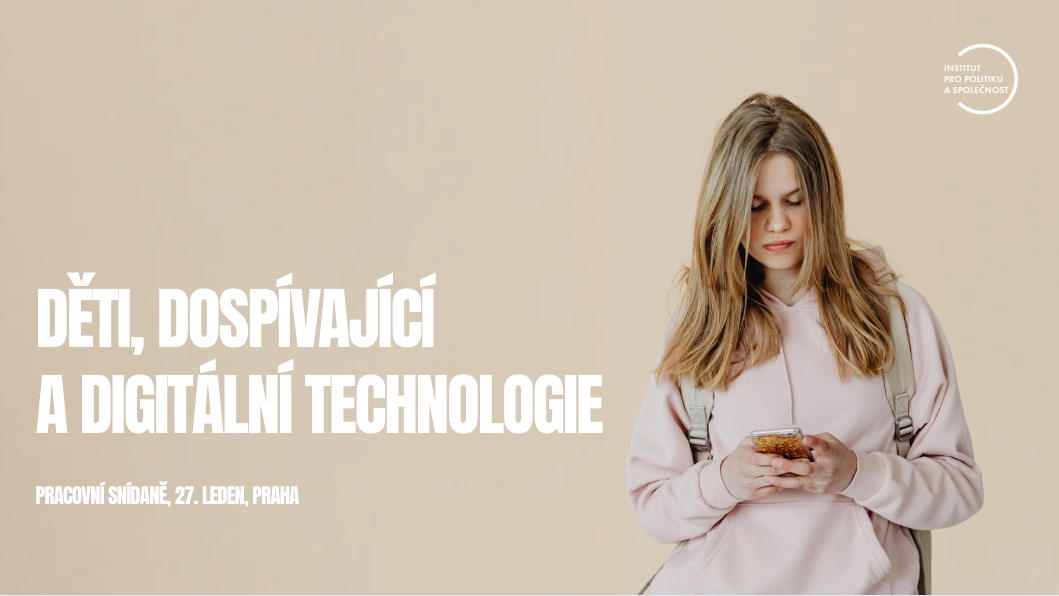
One of the most pressing issues of our time is undoubtedly related to the extent of digital technology use and our children's activities in the online environment.
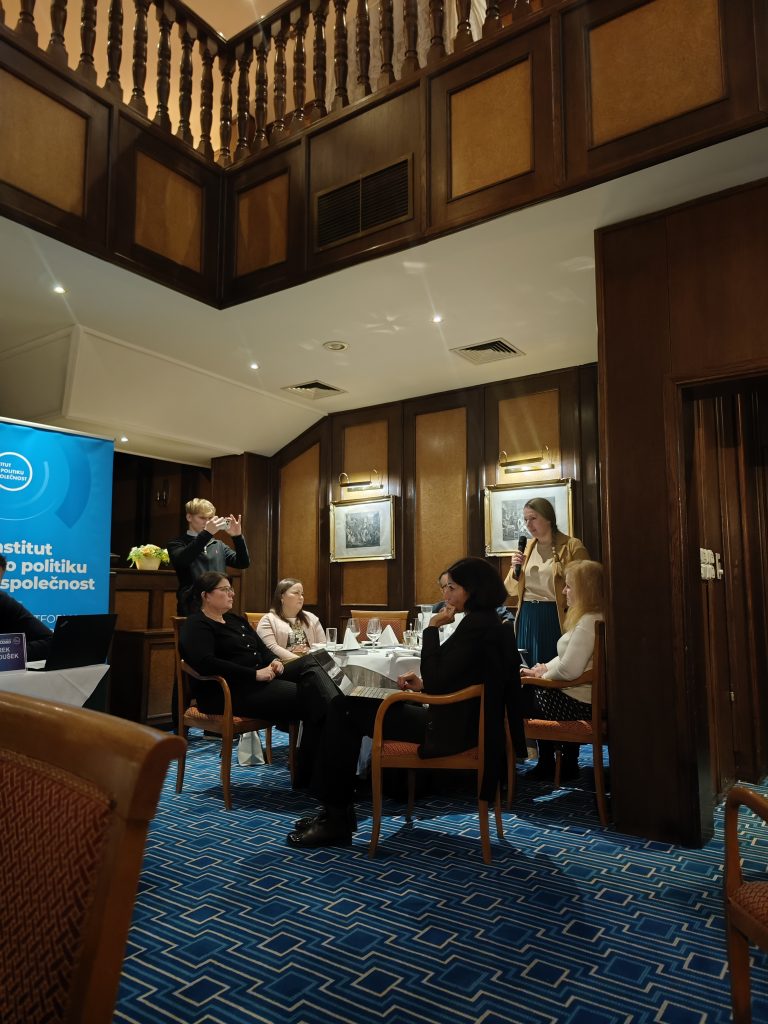
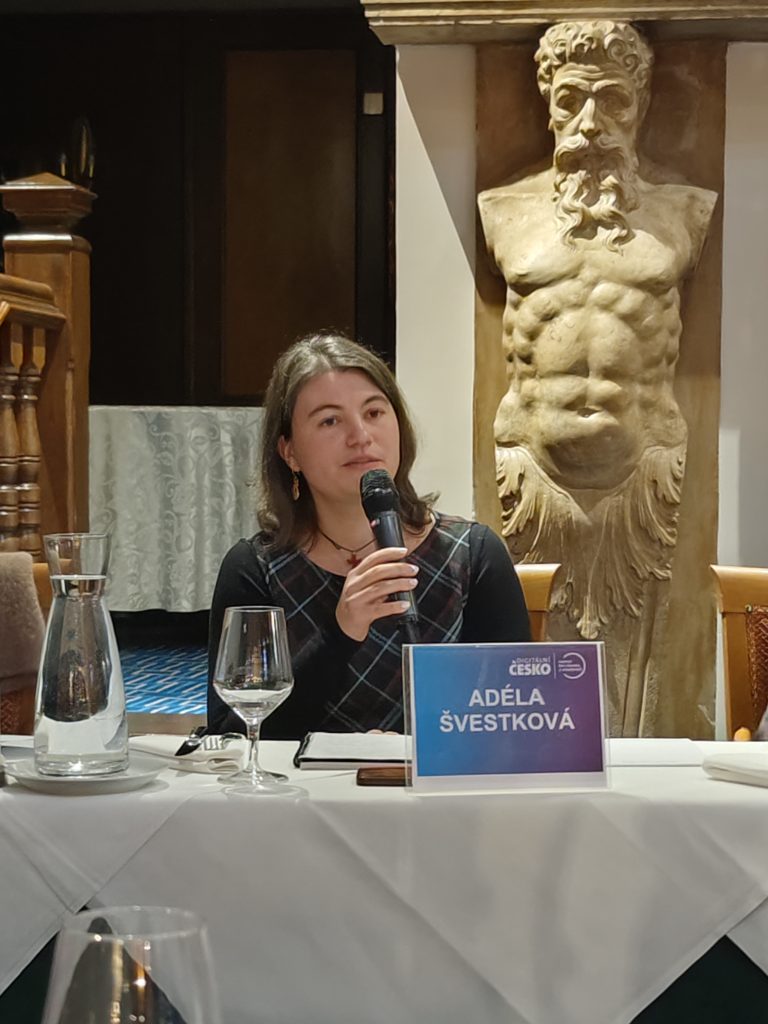
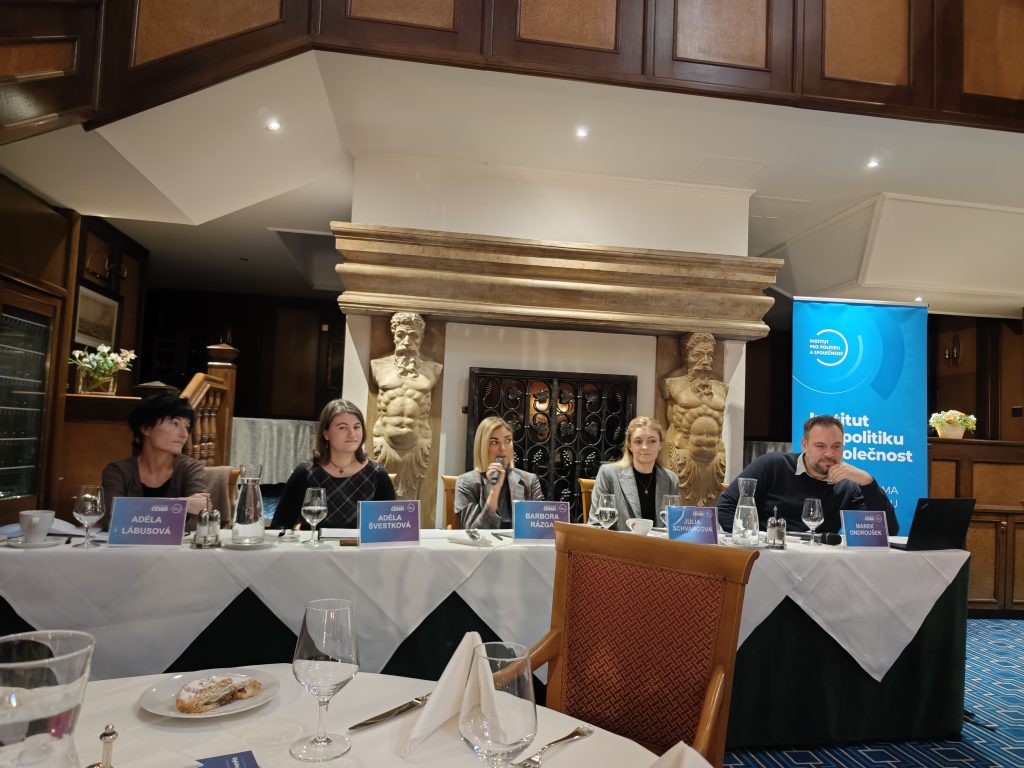
Children, adolescents, and digital technology – this was the title of a working breakfast organized by the Institute for Politics and Societyon January 27 at the Art Nouveau Hotel Palace in Prague, where representatives of various organizations discussed topics related to the use of digital technologies by one ofthe most sensitive target groups – children and adolescents.
Although we operate primarily in the B2B sector and our services are aimed primarily at businesses and organizations, the topics of digitization, cyberspace, and modern technologies are very close to our hearts, especiallyin relation to children. Not only from a professional point of view, but also, as you can probably guess, from a human one. Most of us are also parents of a generation of children who are growing up in the digital age and facing the same problems as the generation before them, but also entirely new ones.
New times, new challenges
A otázek k diskusi je celá řada. Od délky času stráveným před „obrazovkami“, závislostmi, smysluplném využívání nástrojů, omezování používání aplikací, škálu nebezpečí od zneužití osobních dat až po kyberšikanu.
All of this was the subject of an open discussion, to which both the audience and the panelists—or, in this case, panelists—responded. The representation was diverse – invitations were accepted by MP Barbora Rázga, Julia Schvarcová from Google, Mgr. Adéla Lábusová from the Jules and Jim organization, which focuses on cyber prevention, among other things, and psychologist Adéla Švestková (Faculty of Social Studies, Masaryk University) representing the academic sphere.
The importance of prevention and the complexity of the issue
Celou akcí rezonovala zejména prevence, jako důležitý nástroj a faktor pro předcházení problémům. Shoda panelistek panovala například nad regulacemi, ve smyslu že zákonný rámec je dostatečný, problematičtější je pak jeho aplikace a vymáhání. Jinými slovy, nepotřebujeme další regulace, ani vytváření dalších materiálů či metodik – naopak je všeho nepřeberné množství. V této souvislosti se pak probraly informační zdroje z pohledu rodičů, vzdělávacích institucí a učitelů, až po práci s dětmi samotnými, nešlo se nedotknout samozřejmě i problematiky financování.
Restrictions and limitations are not the way forward
As in the imaginary analogy with prohibition, which statistically helped only in the short term, it was said that reckless restrictions are not the way forward and that everything needs to be considered in a broader context. This applied not only to opinions on, for example, the proposed blanket ban on cell phones in schools (with references to examples from abroad), but also to the use of various applications in general and, last but not least, generative AI, where this is a major issue. It was also said that we are living in another technological revolution and we do not need to fight it, but learn to use the tools meaningfully.
School vs. parents
If we were to summarize everything, we have a lot of work ahead of us on all fronts.
In education, we would welcome a greater emphasis on teaching digital technologies, cyber security, and conscious behavior in the online space, as there are huge differences between reality and the curriculum. In this context, there was also a need to help teachers themselves, to further educate them in this area and help them keep pace with current developments.
U rodičů je pak velký důraz kladen především na míru zájmu a pochopení vůči svým ratolestem. Je mnoho nástrojů, které dovedou omezovat či kontrolovat, ale za nejdůležitější považujeme pochopit, co vlastně děti například na internetu vyhledávají, jaké mají zájmy a především s nimi na toto téma vést konverzace – než jít cestou zákazů a omezování. Výsledky průzkumů dokladují, že virtuální avataři, pohyb na různých platformách a sítích nám o jejich chování může hodně napovědět. Nezapomínejme, že jako rodiče jsme i vzory a pokud vidí děti nonstop s telefonem v ruce nás, nemůžeme od nich žádat opak. Naše role je především být jim oporou a dobrým průvodcem, vést je k samostatnosti, aby se v budoucím světe dokázali orientovat.
And how do children themselves feel about this, so that it is not about them without them? With Generation Z, on the contrary, we often encounter oversaturation with the online environment and a need to seek real experiences, connections, knowledge, and efforts to turn away from the online world. Learning through play still works, and now we have a whole spectrum of new interactive possibilities. Let's make use of them.
And if there is one message to be conveyed in conclusion... let us pause, reflect, and return to what is the most valuable commodity – namely, giving our children our attention and time above all else.


What else to read
See more news from the world of IT and ITS