
To the Moon and Back: The Artemis II Mission Has Begun
4 min
A successful start
Ať už jste fanoušky vesmírného výzkumu nebo ne, nejspíš jste zaregistrovali, že ve čtvrtek 2. dubna 2026 zhruba půl hodiny po půlnoci našeho času úspěšně odstartovala mise Artemis II. Čtyřčlenná posádka vypravená z amerického vesmírného střediska na Floridě má nyní namířeno na Měsíc – a výprava by to měla být výjimečná hned v několika směrech.
More than fifty years since the last trip to the Moon
Artemis II představuje historický návrat lidí k Měsíci po více než půlstoletí. Čtyři astronauti během zhruba desetidenního letu obletí Měsíc po dráze free‑return, přičemž mise slouží jako zásadní test rakety SLS, kosmické lodi Orion a všech životně důležitých systémů v reálných podmínkách hlubokého vesmíru.
In addition to setting distance records, it also marks many symbolic firsts for the crew. Artemis II thus paves the way for future human landings on the Moon and other missions under the Artemis program. The Artemis III mission is scheduled for 2028.
Who's on board
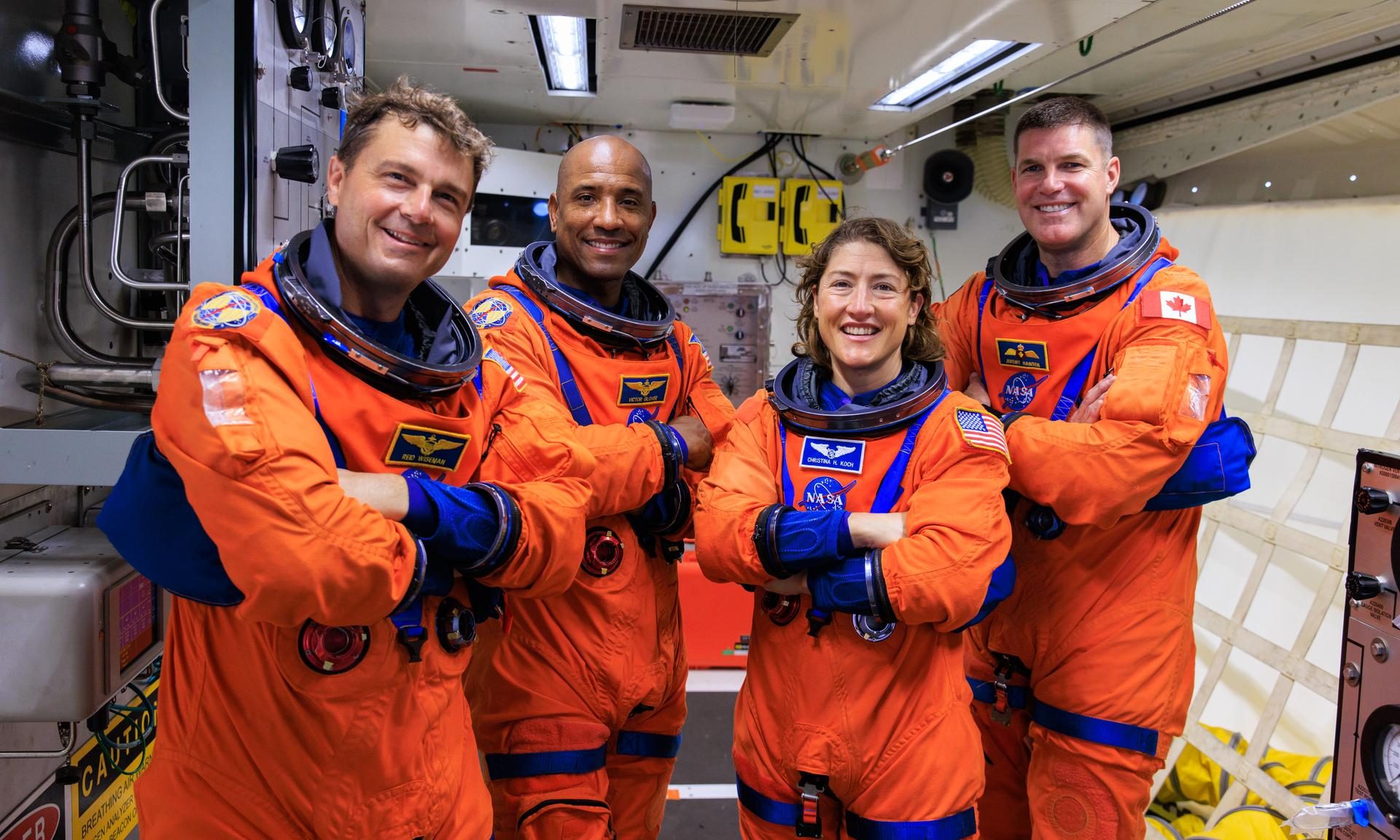
These first-place finishes are represented by every member of the crew:
- Christina Koch – the first woman to travel to the Moon and, among other things, the most experienced crew member in terms of time spent in space (328 days)
- Victor Glover – the first Black person on a lunar mission
- Jeremy Hansen – the first Canadian, a fighter pilot, and the first non-American to reach the Moon
- Reid Wiseman – an experienced commander and the oldest person to leave low Earth orbit
Mission Objective and Interesting Facts
In addition to the primary objectives of the mission described above, it is worth mentioningthe widerange of scientific research that this space mission will facilitate. Among other things, this includes the continuous collection of vast amounts of data, including, of course, data on the crew members. Specifically, this involves, for example, measuring radiation levels, which would be crucial for any future expansion of humanity deeper into space.
Just a quick note:
- The last manned mission took place in1972 (Apollo 17), i.e., 53 years ago
- The Orion module is equipped with Czech chips manufactured by Advacam. These chips will monitor radiation levels in real time, thereby protecting the astronauts’ health as they pass through the Van Allen radiation belts.
- The average distance between the Earth and the Moon is approximately 385,000 km
- Unlike the uncrewed Artemis I mission, the Artemis II crew will be the first to test all life support systems on the Orion spacecraft during a roughly ten-day flight around the Moon
- On the return journey, the module is set to undergo another stress test—at the highest return speed to date
- You can find more interesting information, beautiful photo galleries, and details about the progress of all missions on the website NASA
We’re rooting for the crew, and we’re also rooting for our astronaut Aleš Svoboda, who is scheduled to head to the ISS in late 2027.
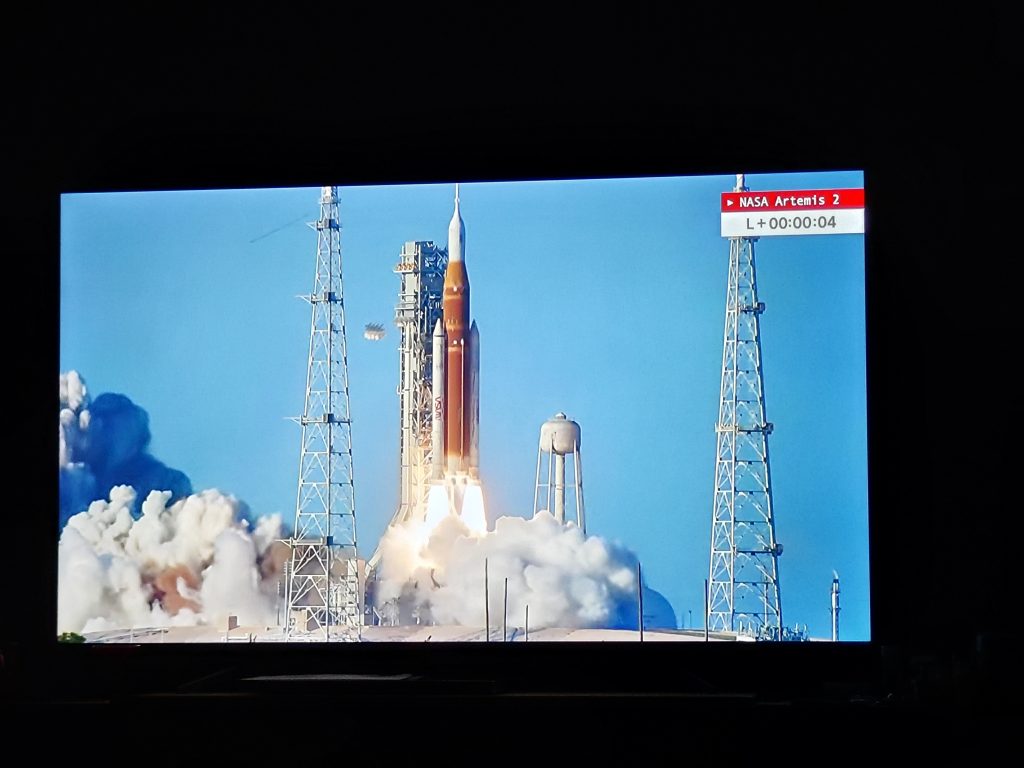
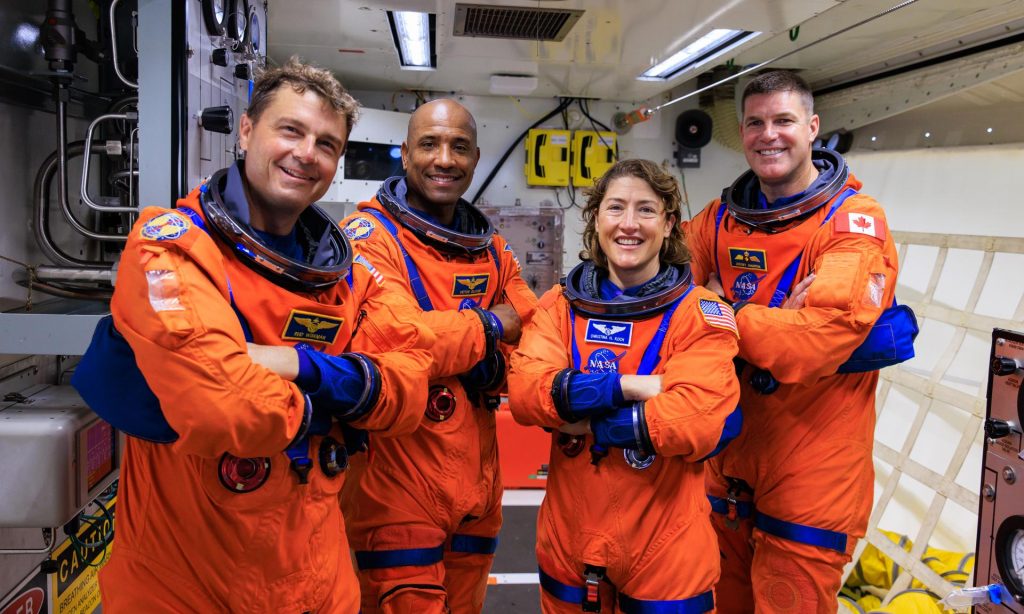
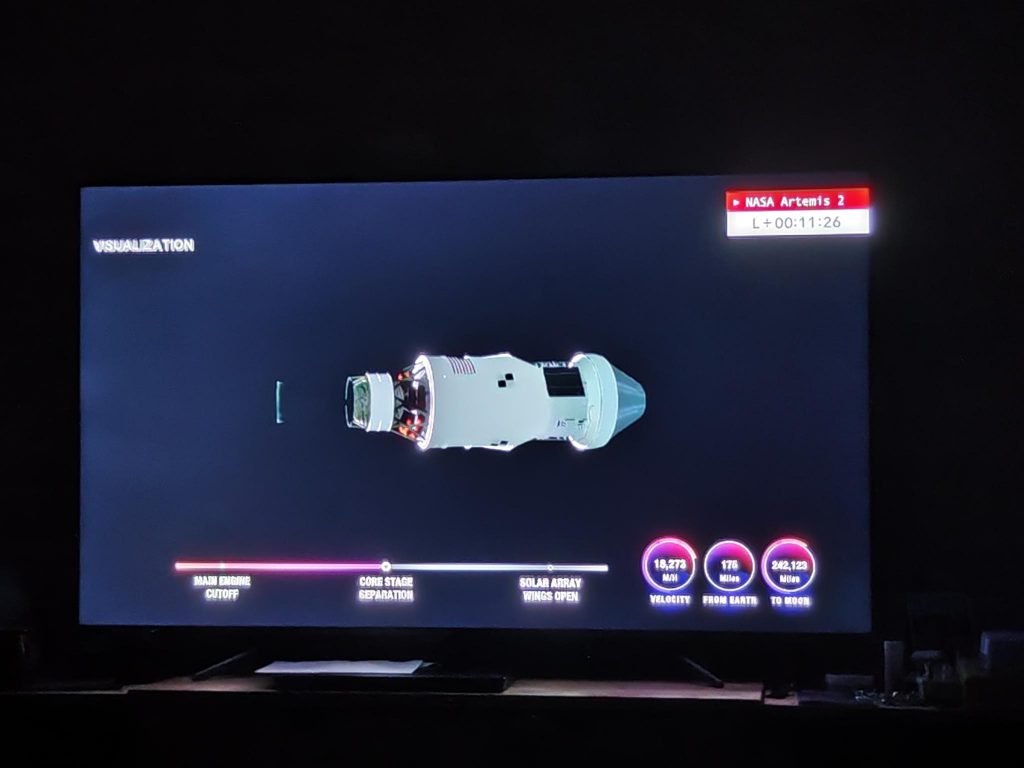
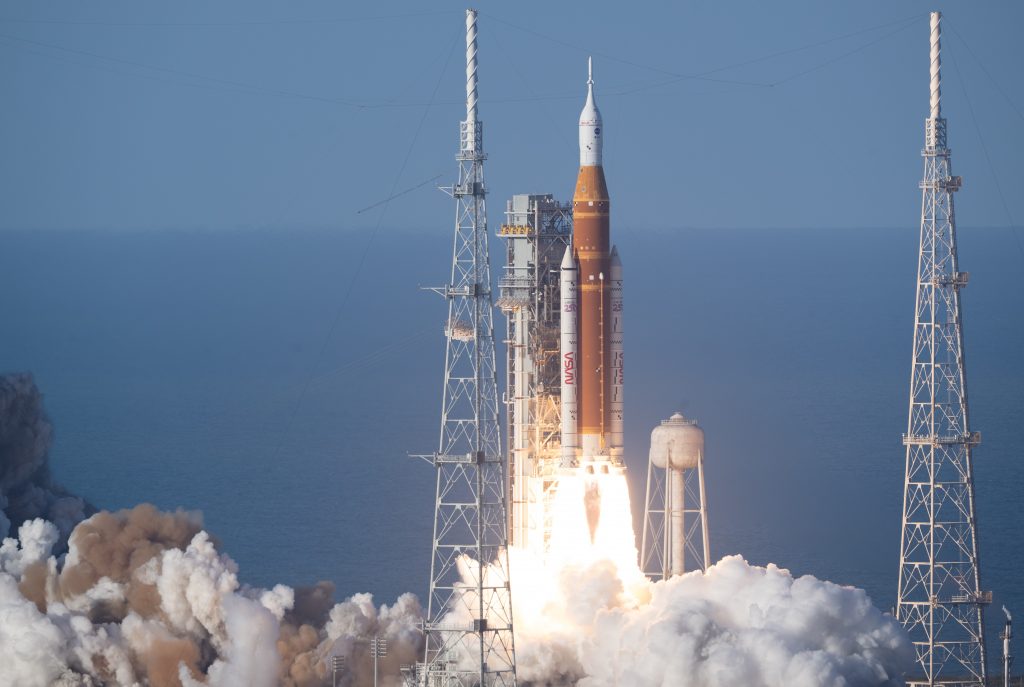
Photo: NASA, ITS
What else to read
See more news from the world of IT and ITS