ITS blog: News in the field of post-quantum cryptography – January 2026
3 minutes

What have the past few weeks brought in the field of quantum and post-quantum cryptography? Join us once again as we look back at the turn of the year and also at the current outlook.
December 2025 brought several important shifts within the European Union towards real preparations for the quantum era, in which current cryptography will no longer be sufficiently secure. These changes are not just theoretical – they areconcrete actions, recommendations, and events with an impact primarily on the planning of security strategies in organizations.
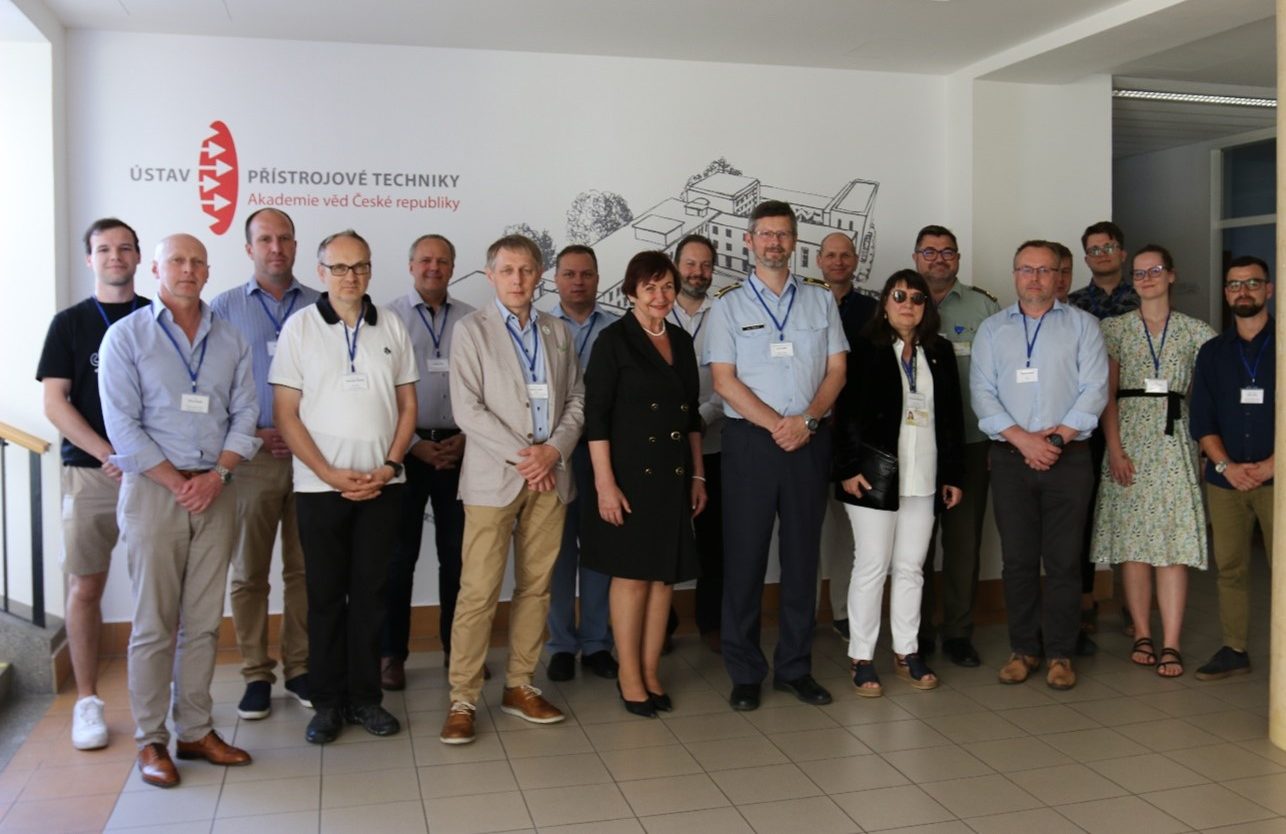
European Conference on Migration at PQC – practical meetings of experts
At the beginning of December, The event focused primarily on the practical aspects of the transition to quantum-secure algorithms, sharing experiences among EU member states, and discussing real-world problems that migration poses for the EU.. The event focused primarily on the practical aspects of the transition to quantum-secure algorithms, the sharing of experiences among EU member states, and a discussion of the real problems that migration brings.
Setkání se zúčastnili zástupci národních bezpečnostních autorit, výzkumných organizací i komerční sféry. Ani my jsme u této důležité diskuse nemohli chybět – konference byla cenným zdrojem informací o tom, jak jednotlivé země a organizace k přechodu na PQC přistupují, jaké volí migrační strategie a kde dnes narážejí na největší technické či organizační překážky.
Among other things, it was said that post-quantum cryptography is no longer a question of "if," but "when and how," and that organizations should start preparing as soon as possible—for example, by taking inventory of cryptographic mechanisms, supporting crypto-agility, and piloting hybrid solutions.
EU transition strategy: not just a roadmap, but an emphasis on implementation
The December materials published by the closely linked Task Force expert group once again emphasized that the roadmap alone is not enough —what is needed is a concrete strategy and support for member states on how to prepare for quantum-secure systems. The document emphasizes:
- integraci kvantově bezpečných mechanismů už při návrhu systémů,
- clear link between plans and current legislation,
- training, governance, and stakeholder support in practice.
This approach shows that the EU is gradually shifting the discussion from theoretical recommendations to concrete steps.
Growth in investment and strengthening of the ecosystem
In December, several companies announced major investments in quantum-secure technology in Europe. One example is SEALSQ, which increased its investment fund to more than USD 100 million with the aim of supporting the development of post-quantum solutions and European technological sovereignty in this area.
This suggests that the ecosystem around PQC is growing in terms of finance and industrial initiatives, which is important for ensuring the long-term independence of security technologies in Europe.
Technical discussion and warning about the readiness of public systems
In addition to official meetings and strategies, there was alsoa broader expert discussion on whether public systems are sufficiently prepared for quantum threats. Some comments point out that delaying the transition may expose public data and critical systems to risk, especially in the context of harvest now, decrypt later . Read more in foreign sources.
Community and technical events
In addition to the main European forum, other conferences and online meetings focused on PQC, which addressed both the importance of standardization and practical implementation and experience sharing. These events underscore the growing interest of the professional community in post-quantum technologies.
Summary for IT managers and security teams
- PQC is no longer just a scientific topic – the EU is actively organizing practical meetings and preparations for migration to quantum-secure algorithms.
- The transition strategy is shifting towards concrete steps – emphasis on planning, governance, and links to legislation.
- Investment and industry are growing – greater capital and corporate initiatives are strengthening the European PQC ecosystem.
- Public institutions and the private sector should intensify their preparations to avoid the security risks associated with quantum computing developments.
What else to read
See more news from the world of IT and ITS