PCSC: Cybersecurity Knows No Borders
5 minutes
47 countries, 2 days, but only 1 safety measure
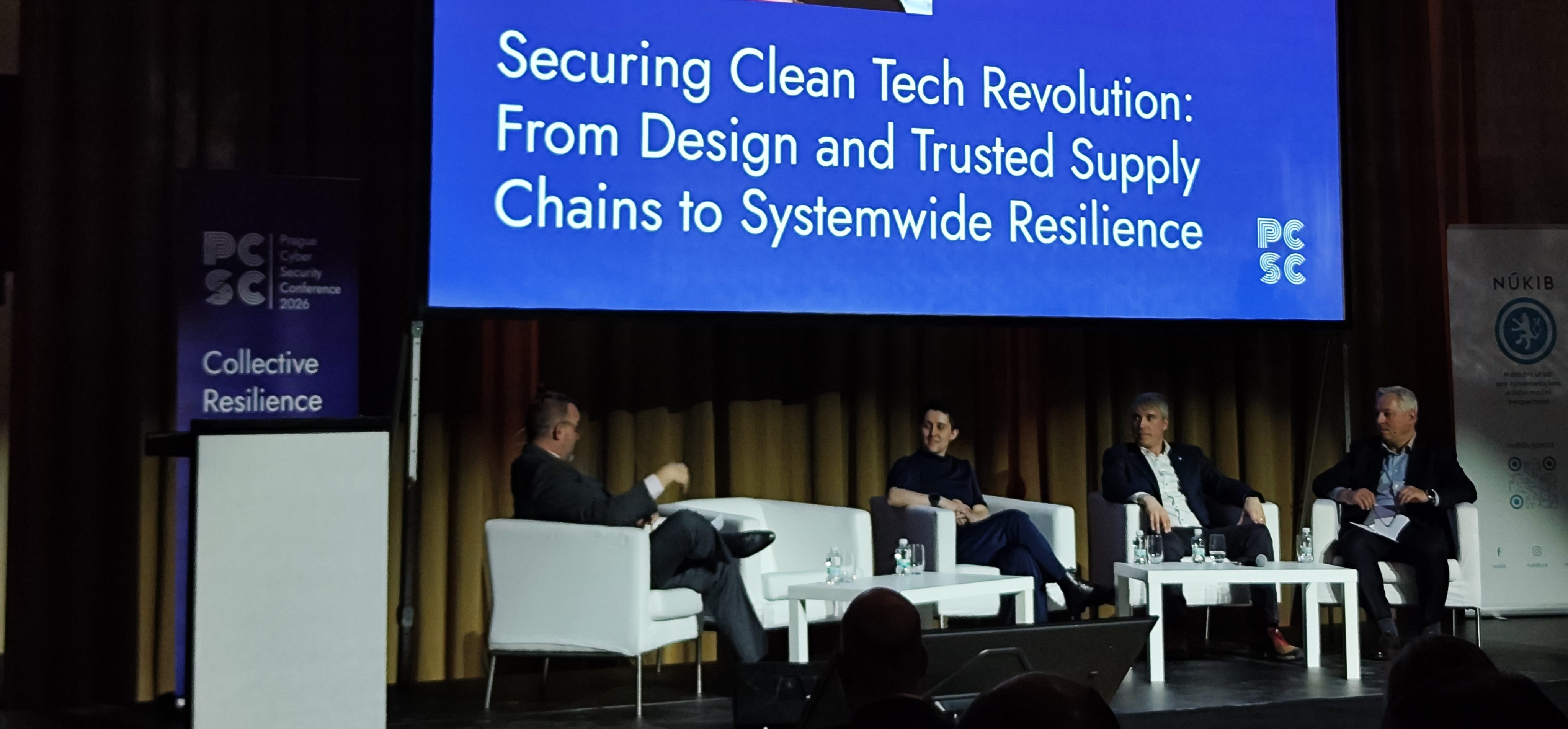
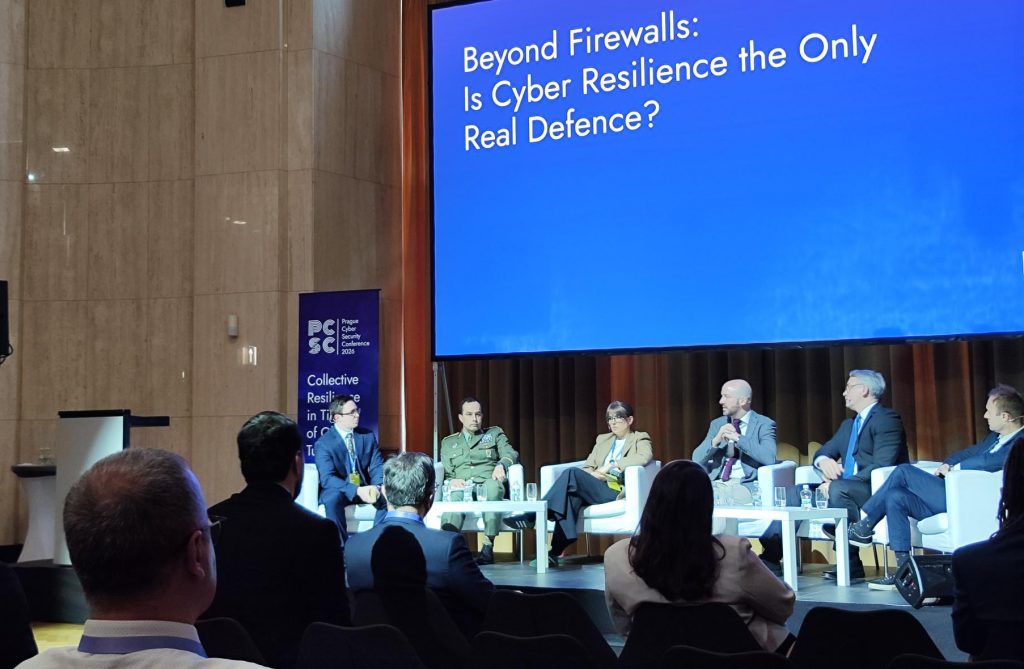
Prague Cyber Security Conference (PCSC), an event organized under the auspices of the National Cyber and Information Security Agency (NÚKIB), is gaining more and more prestige every year, and we went to check it out as well.
And, of course, not just for the prestige and the collaboration with NÚKIB, nor because representatives from the 47 countries mentioned gathered there in the impressive building of the Czech National Bank.
Zajímalo nás, kam se ve světovém měřítku posunuly diskuse týkající se kybernetické bezpečnosti – od legislativ a regulací, až po technologie. A pochopitelně nás také zajímalo, jak bude s odstupem roku rezonovat téma kvanta.
The Necessity of International Cooperation
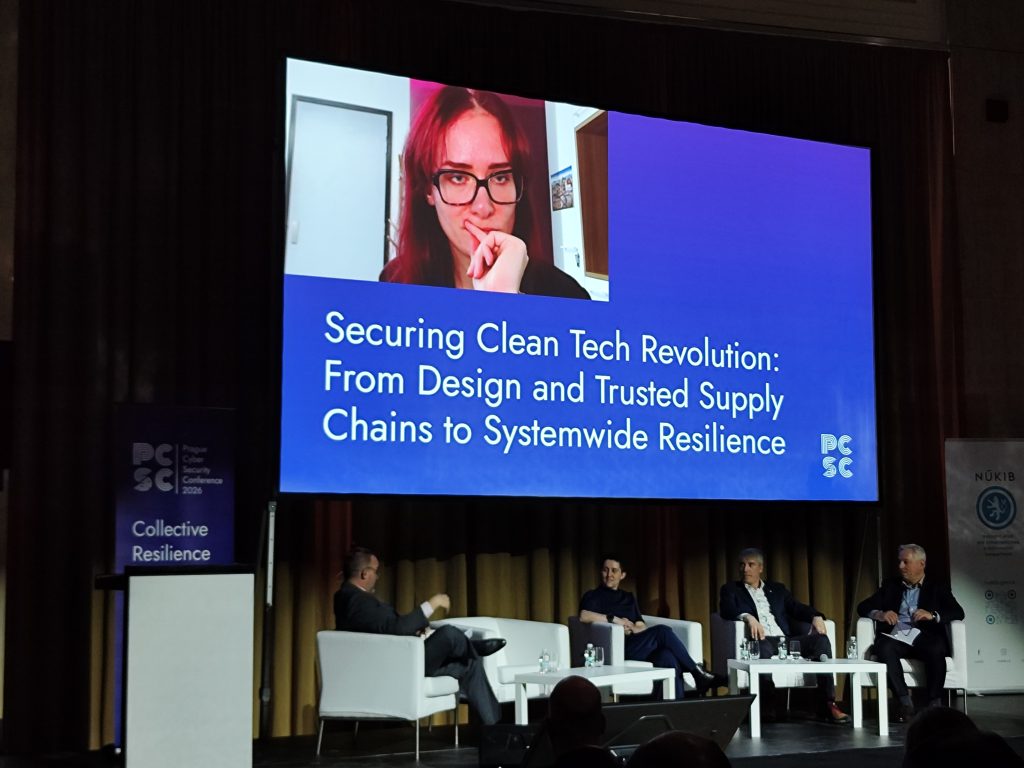
With participants from across the continents, the event promised an engaging program featuring thematic panels that addressed all key issues related tocybersecurity, the country’s overall security policy, strategy, technologies, cross-sector collaboration, and cross-border cooperation. By the way, speaking of strategies—if you’re interested in our National Cybersecurity Strategy, it’s outlined in this document.
And the meeting is significant precisely because of its international scope—we are happy to reiterate that the Czech Republic rightfully ranks among the leaders in this field; we are very active, and within the PCSC it was clear that we enjoy a high level of credibility and that our voice carries weight, regardless of our country’s size on the map.
What resonated the most
The keynote address was, of course, delivered by Lukáš Kintro, Director of the Office, who expressed his gratitude and welcomed the guests in a similar vein. On this occasion, among other things, a new cooperation agreement with Japan was ceremonially signed and ratified. Japan is one of the leading nations in cybersecurity policy, and its approach—which involves not only professionals and the government but the entire population—serves as a great inspiration to others.
Pokud jde o konkrétní témata, pak se hodně skloňovala resilience – v kontextu nutného a kontinuálního budování (kybernetické) odolnosti státu. Dotklo se pochopitelně aktuálních konfliktů, probíraly se drony, či problematika novodobých mobilních zařízení. Nebezpečí, či naopak nutná spolupráce se světovými velmocemi (Čína x USA); přístupy jednotlivých vlád, EU, financování a spolupráce v rámci NATO.
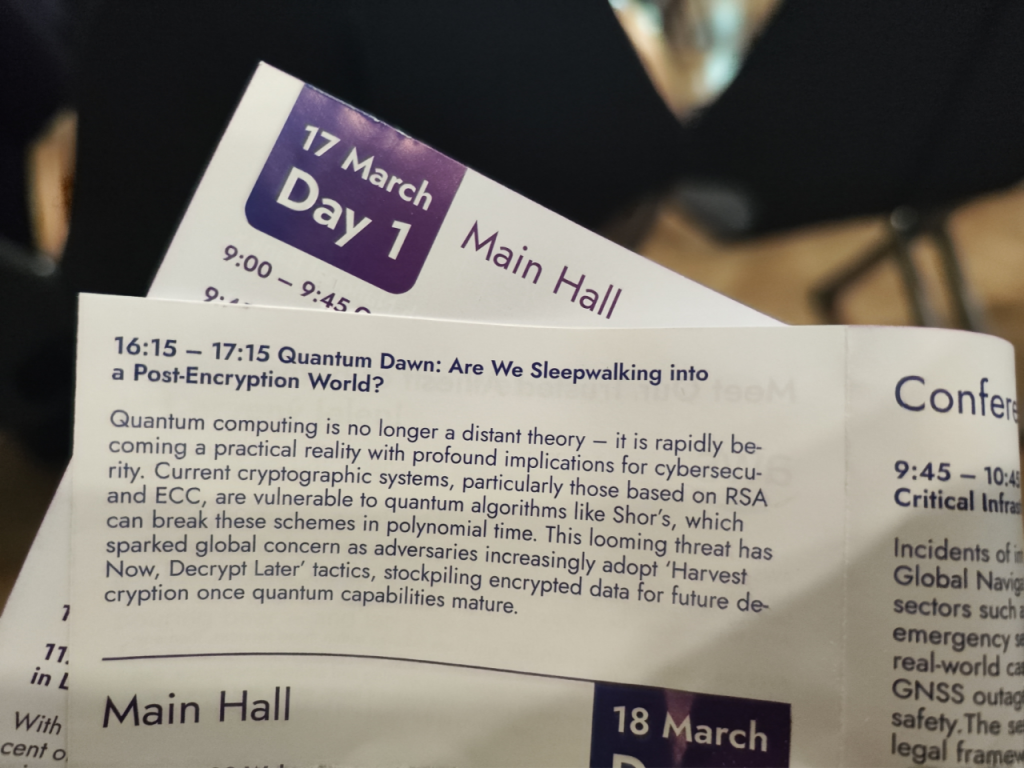
And then there’s the technology itself. Here, terms like “secure by design,” AI, post-quantum computers, and algorithms— as well as the aforementioned drones, chips, and hardware — came up countless times. Supply chain security—indeed, the supply chain itself—was mentioned time and again.
A také bylo zdůrazněno zběsilé tempo, kterým se vše ubírá. Co můžeme a musíme dělat, abychom nápor nových hrozeb spojených s těmito technologiemi dokázali ustát – ať už jde o ochranu kritické infrastruktury, širšího průmyslu, až po naše občany.
Conclusions
The delegates from each country unanimously agreed on one thing:there are no borders incybersecurity. Cooperation is extremely important—it is the only way we can become stronger, leverage resources, technologies, and existing tools, and share best practices, expertise, and much more. This is something a country like the Czech Republic can only benefit from.



What else to read
See more news from the world of IT and ITS