What does the future hold for the Czech Republic's defense?
5 minutes
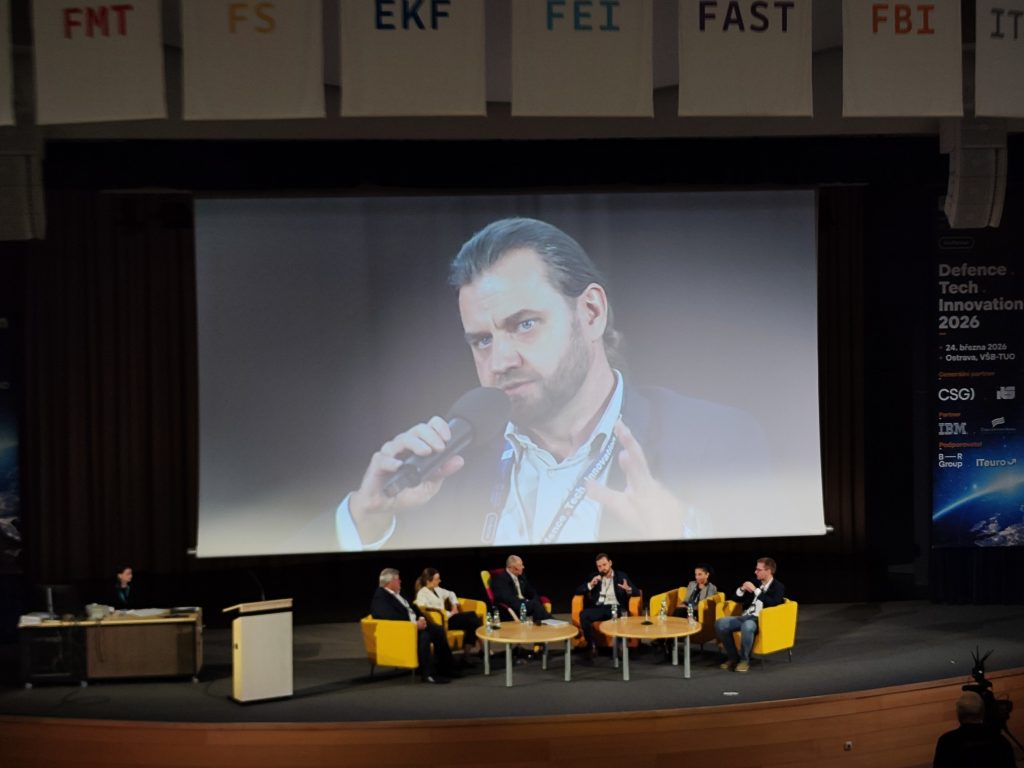
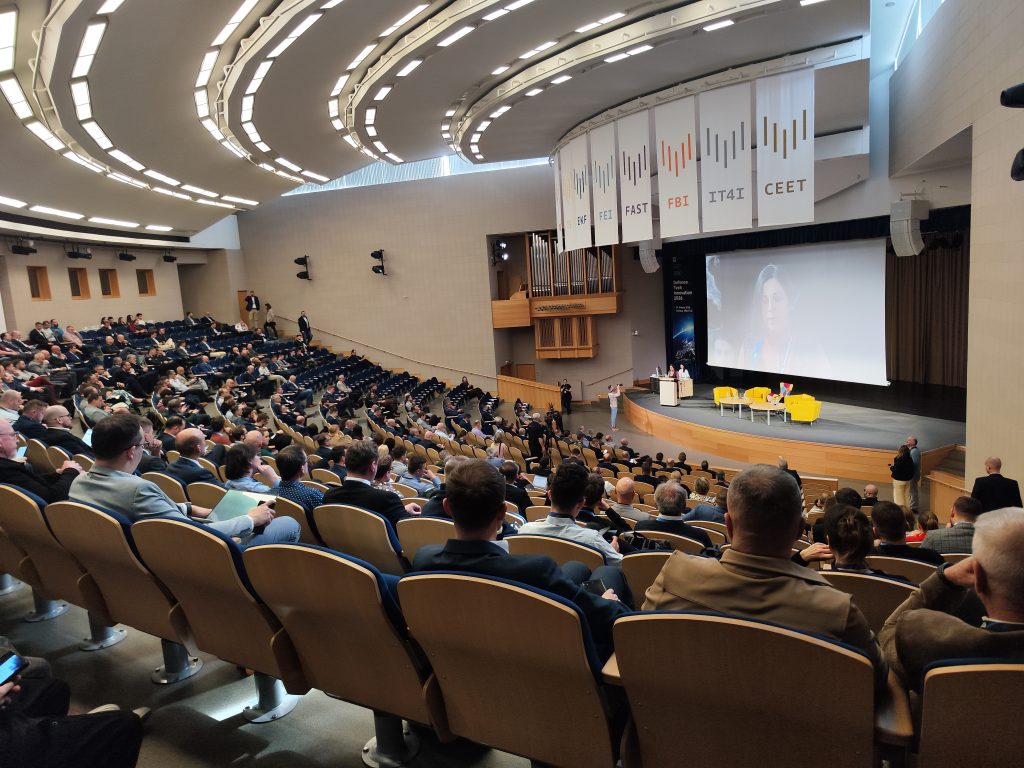
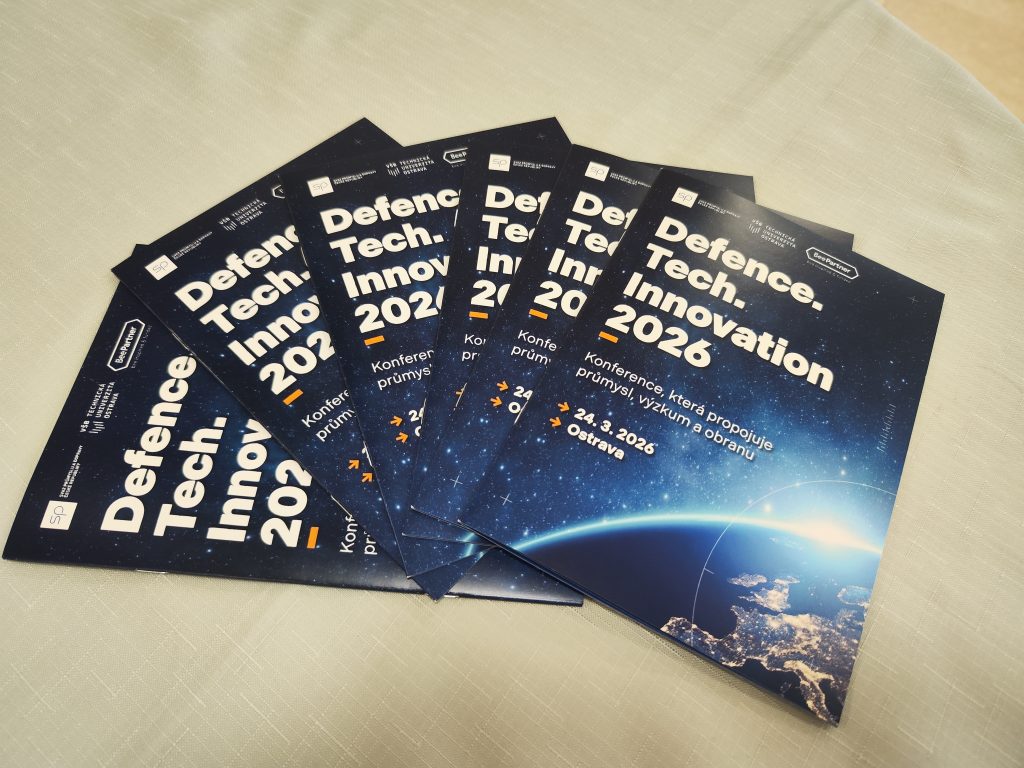
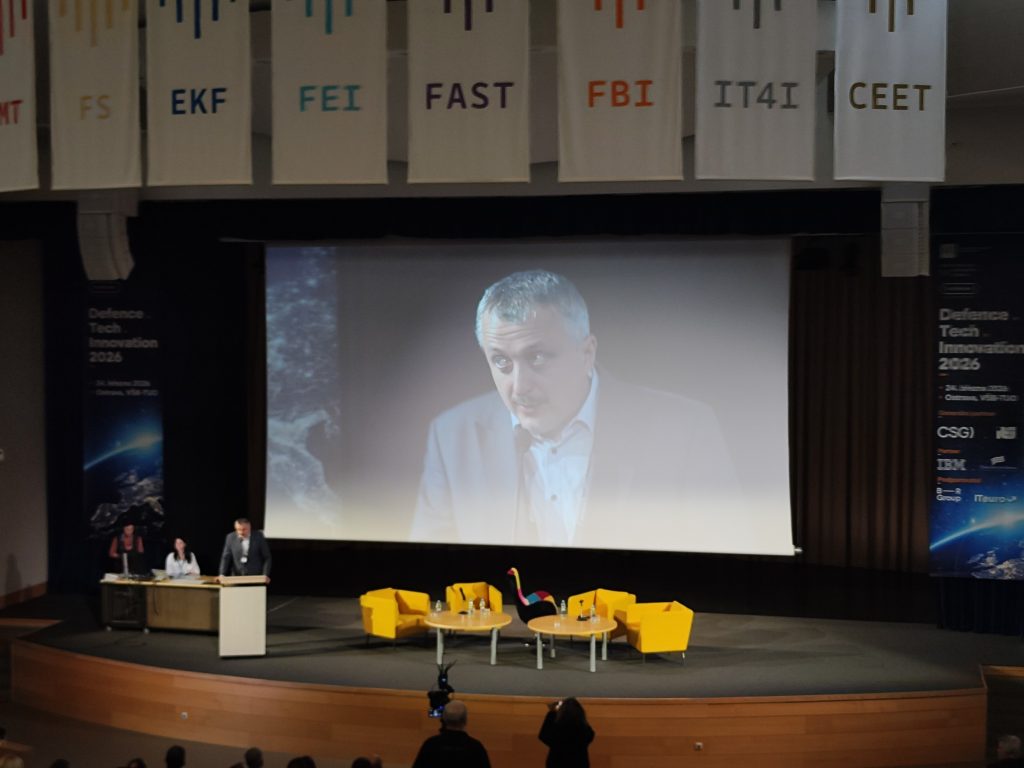
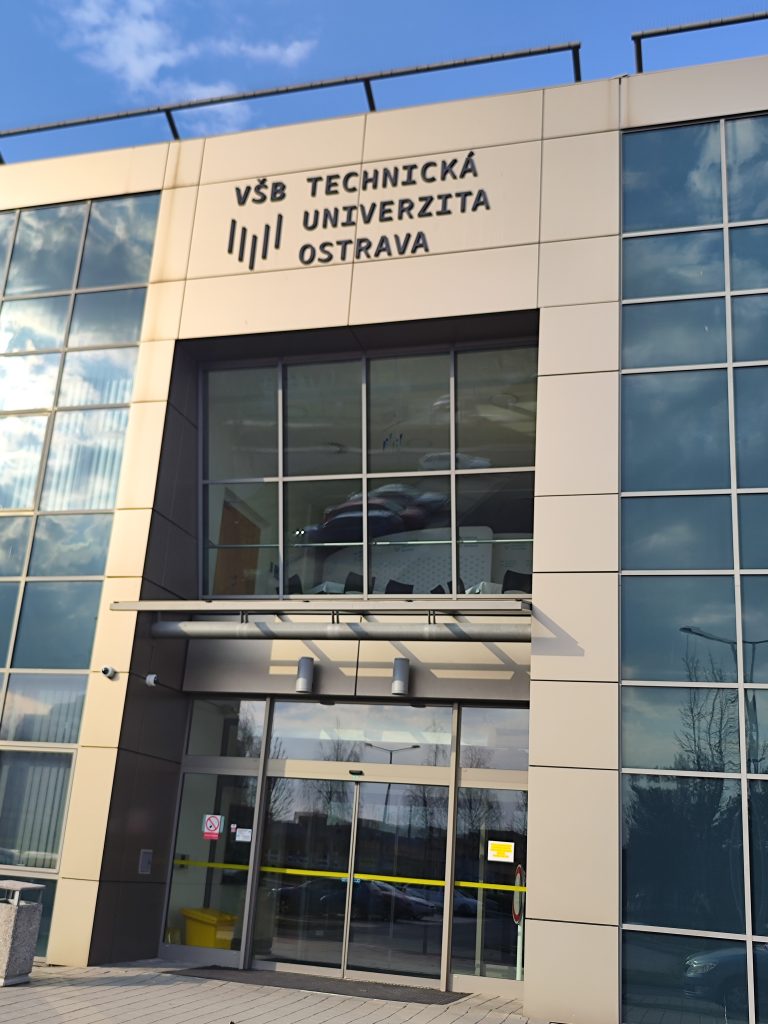
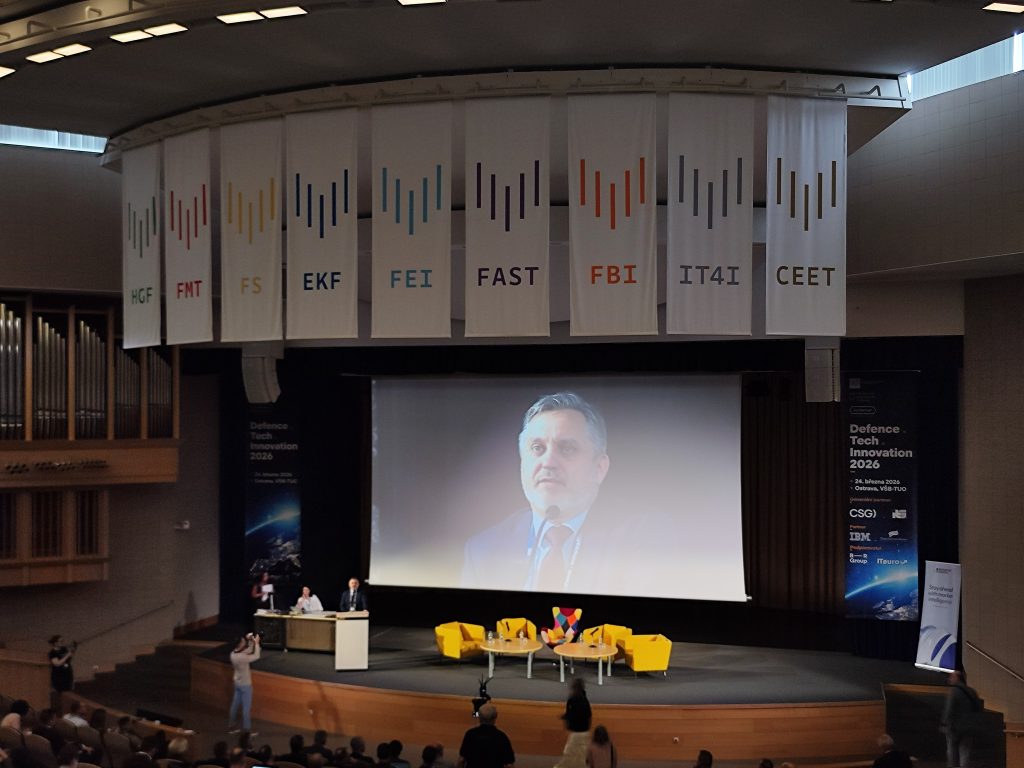
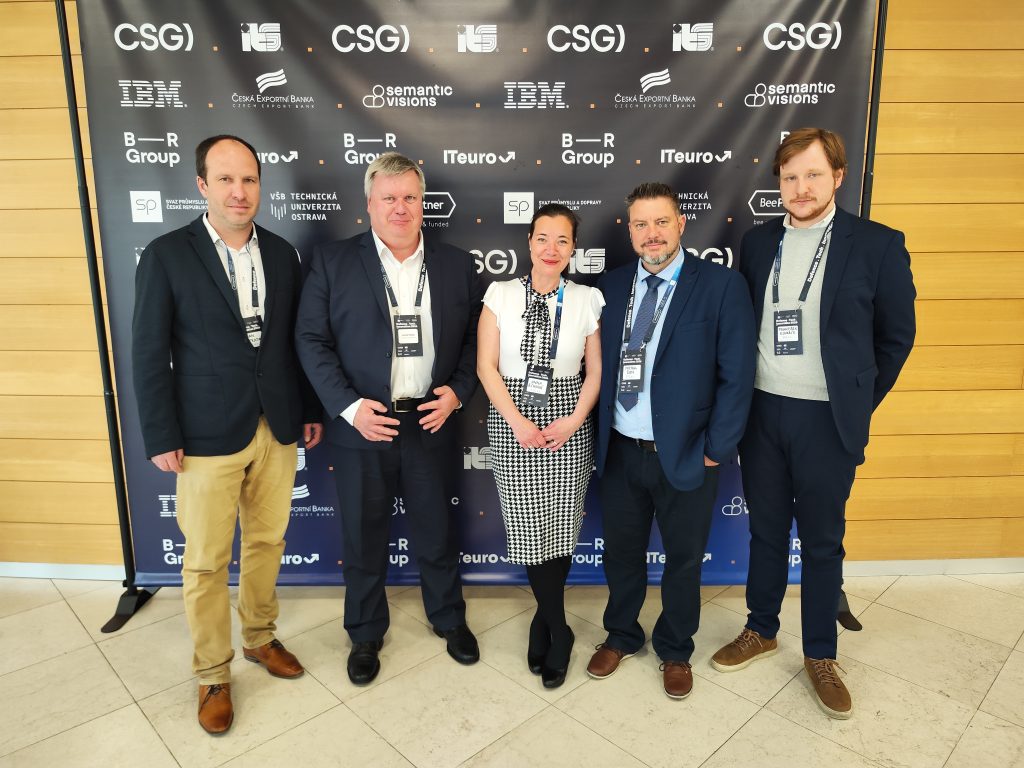
Jedna ze zásadních březnových akcí, alespoň z našeho pohledu, byla konference Defence Tech Innovations 2026, která na půdě ostravské technické univerzity (VŠB TUO) ve spolupráci se Svazem průmyslu a dopravy (SPČR) spojila v úterý 24. března špičky napříč všemi důležitými sférami – zástupce obranných složek, vědy a výzkumu, veřejnou sféru i privátní technologické či průmyslové podniky z ČR.
Nearly four hundred guests and panelists attended the event. And they all had one thing in common: the Czech Republic’s defense industry, its future, and cooperation across these sectors.
Ať už jde o technologie, inovace nebo obranu jako takovou, dnes spolu vše tak úzce souvisí, že nemá smysl hovořit o nich odděleně. Palčivé otázky financování (kolik %HDP na obranu), úspěšnost start-upů či scale-upů a obecně českých firem v zahraničí, smysluplné propojování sektorů, zrychlená adopce nových technologií či o nedostatku kapacit v tech-oborech a studijním zájmu o ně – to je jen malý výčet témat celodenní akce, která v programu složeném z diskusních panelů probrala opravdu celé spektrum otázek souvisejících přímo či nepřímo s obranou. A obecně stále skloňovanější resilience – tedy odolnosti státu.
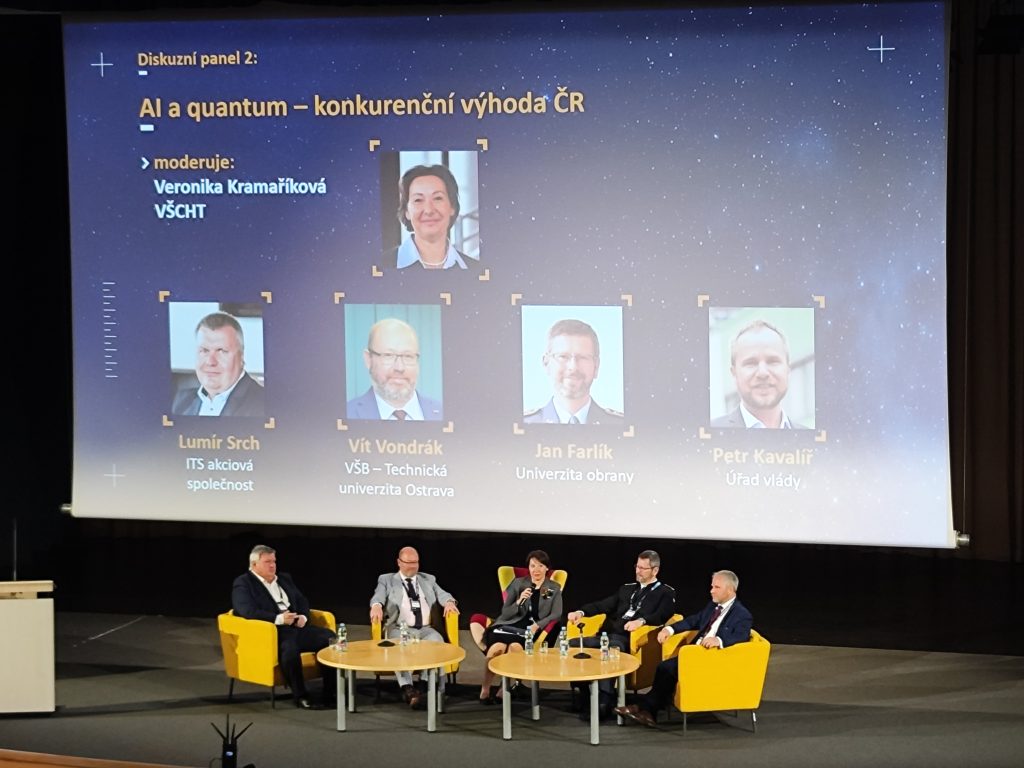
AI and Quantum Computing: The Czech Republic’s Competitive Advantage
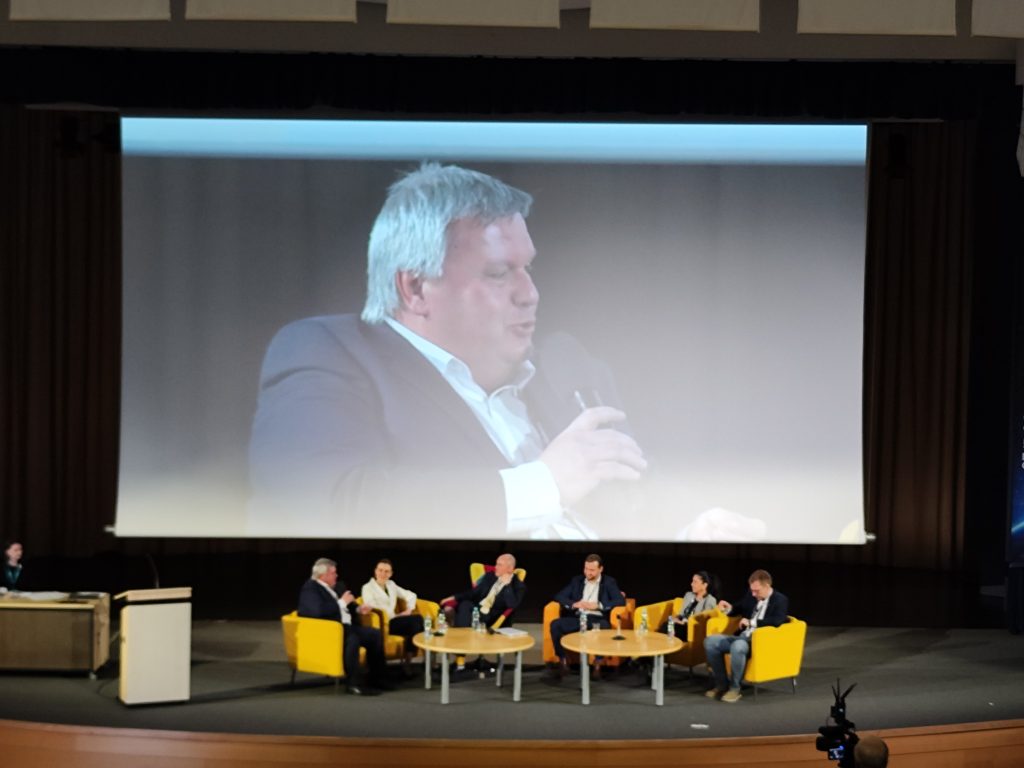
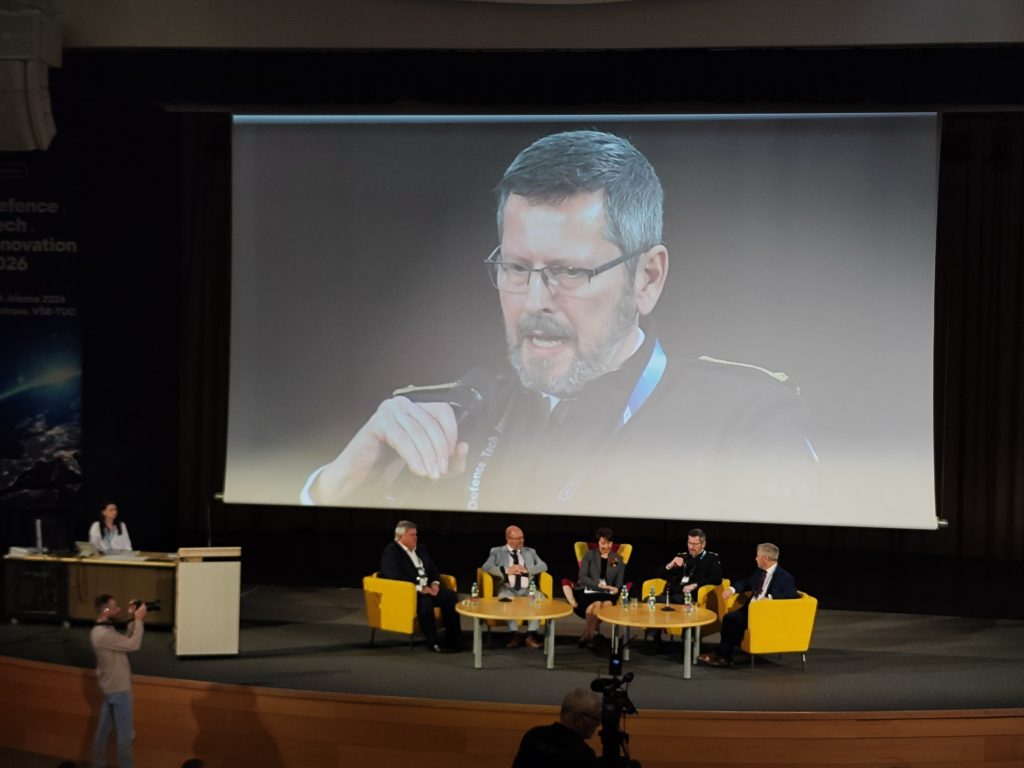
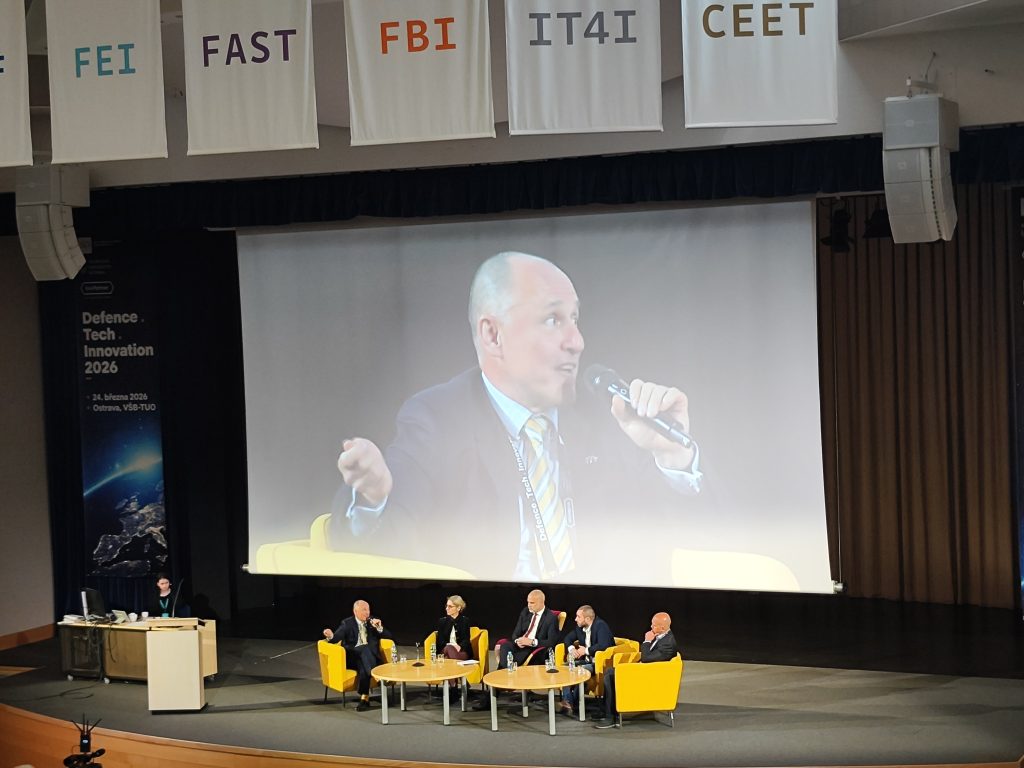
We have long been interested in quantum computers in relation to cybersecurity, and we recognize that the Czech Republic is among the leaders in this field. But how can we keep pace so that we don’t miss the boat in the future? How can we motivate new talent to study these specialized and still very new fields, no matter how well they are compensated? This was one of the discussions we participated in on behalf of ITS CEO Lumír Srch, alongside, for example, Rector Jan Farlík (University of Defense) and Petr Kavalír (Government Commissioner for Quantum Technologies). And not just that one.
Ostrava as an important center
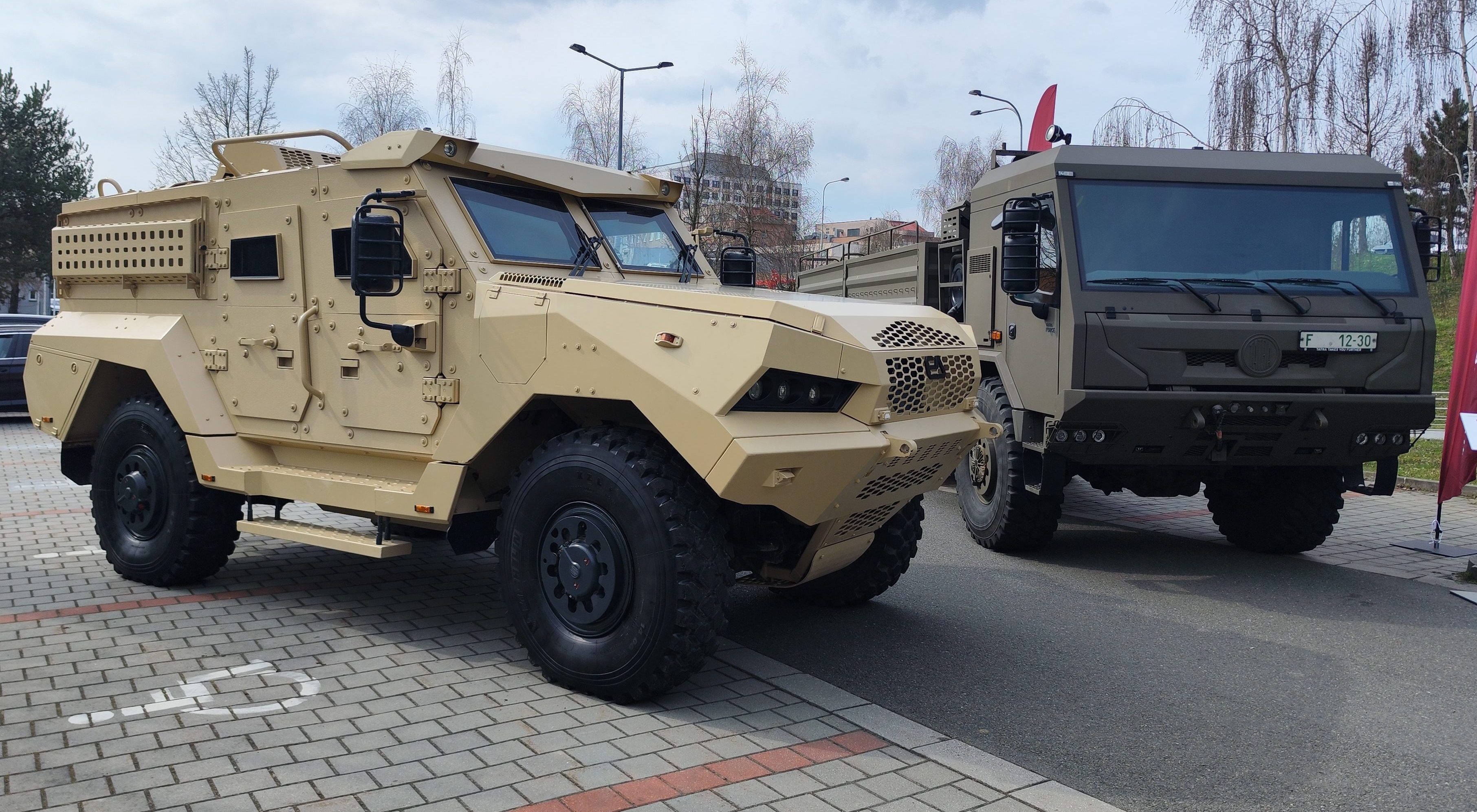
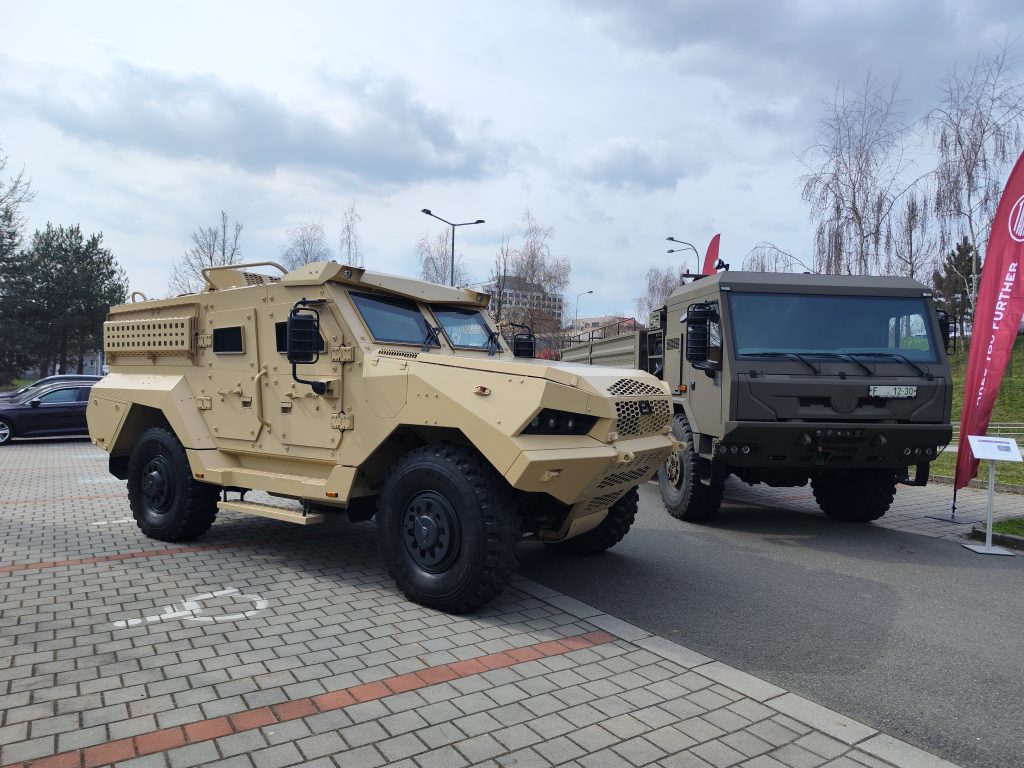
The conference on defense kicked off with an impressive presentation of vehicles from the Excalibur Army and Tatra brands, part of the CSG Group’s portfolio.
Úvodní keynote patřila Janu Rafajovi (SPČR), v rámci diskusí pak měla silné a opodstatněné zastoupení i hostitelská ostravská univerzita – vystoupil rektor VŠB TUO Igor Ivan, dále Vít Vondrák za IT4Innovations či děkan technické univerzity Radek Martinek, který poukázal například na malý zájem o technické obory u mladých studentů.
Ostrava has generally demonstrated that it has a lot to offer. With one of the largest university campuses in Europe and, among other things, the headquarters of the aforementioned IT4Innovations national supercomputing center, its modern approach and energy hold great potential even on a European scale.
What else was discussed, and what are the conclusions?
Industry still accounts for 30% of our country’s GDP. But there’s no point in talking in terms of percentages; we can all agree that defense spending is entirely justified in today’s context. One of the statements, for example, was that current conflicts are technological conflicts. And if we cannot and will not have numerical superiority, we must have technological superiority instead. We need to collaborate across sectors, leveraging private-sector expertise for public administration. We need to motivate new talent and retain it. We all have a lot of work ahead of us.
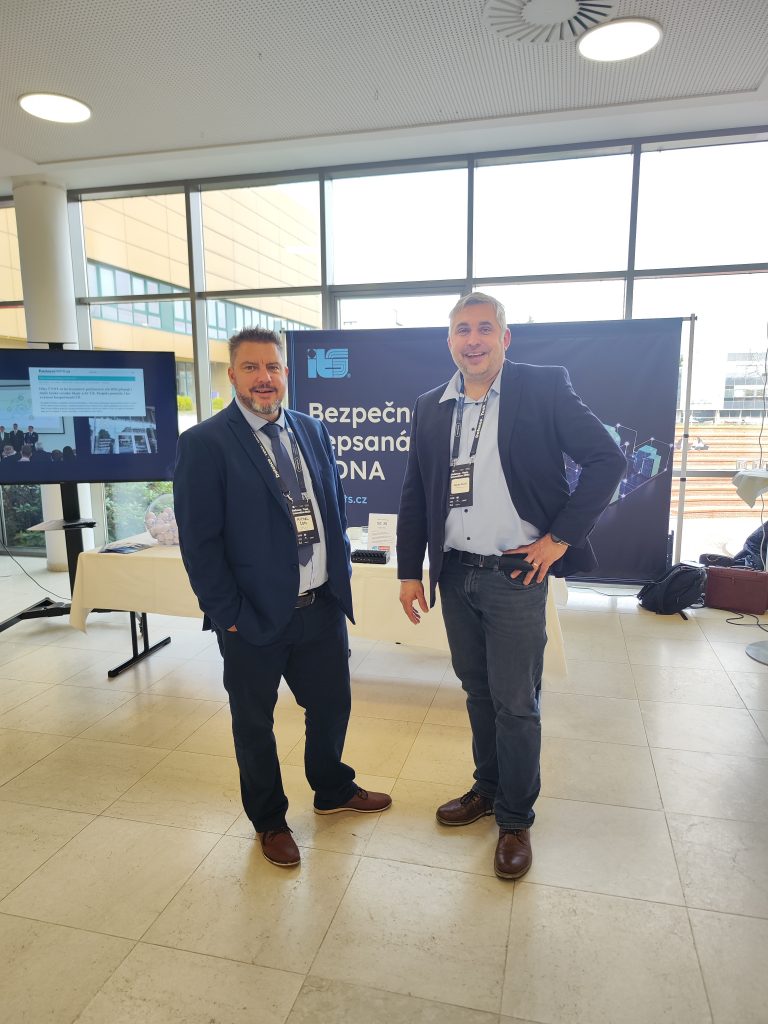
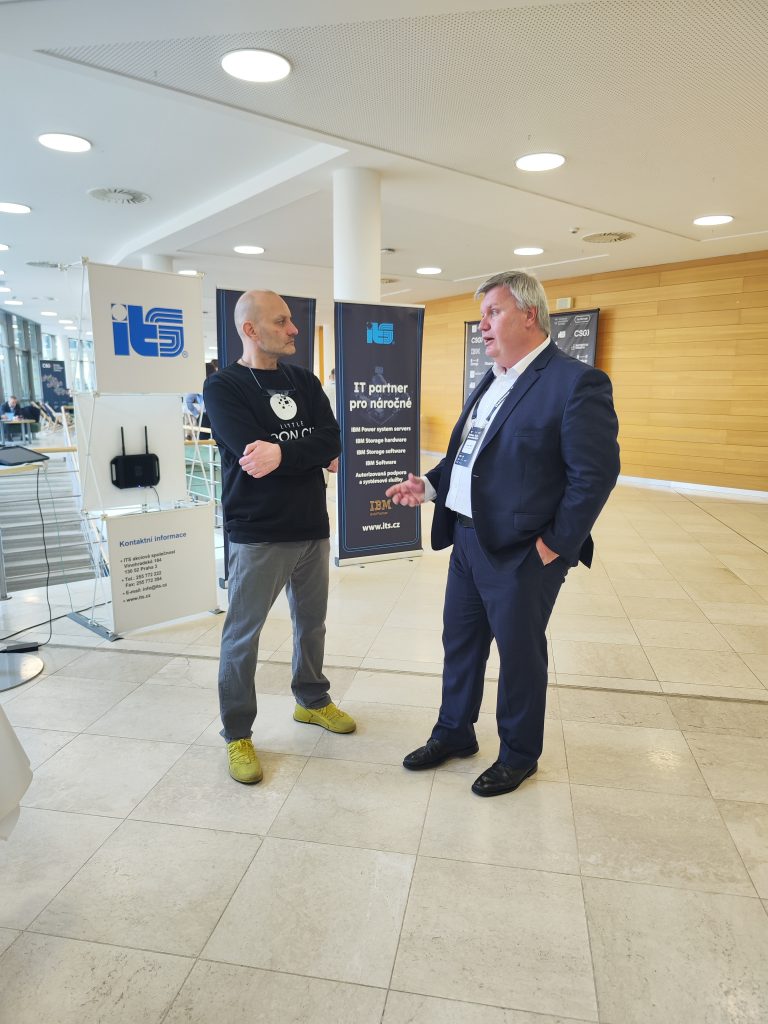
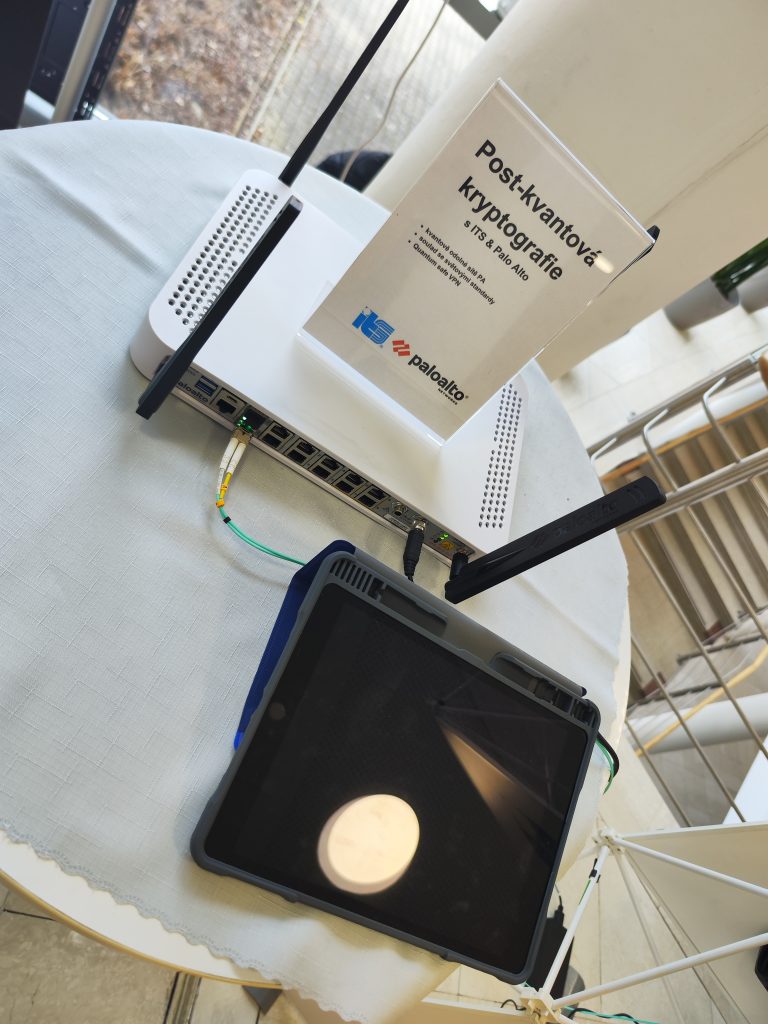
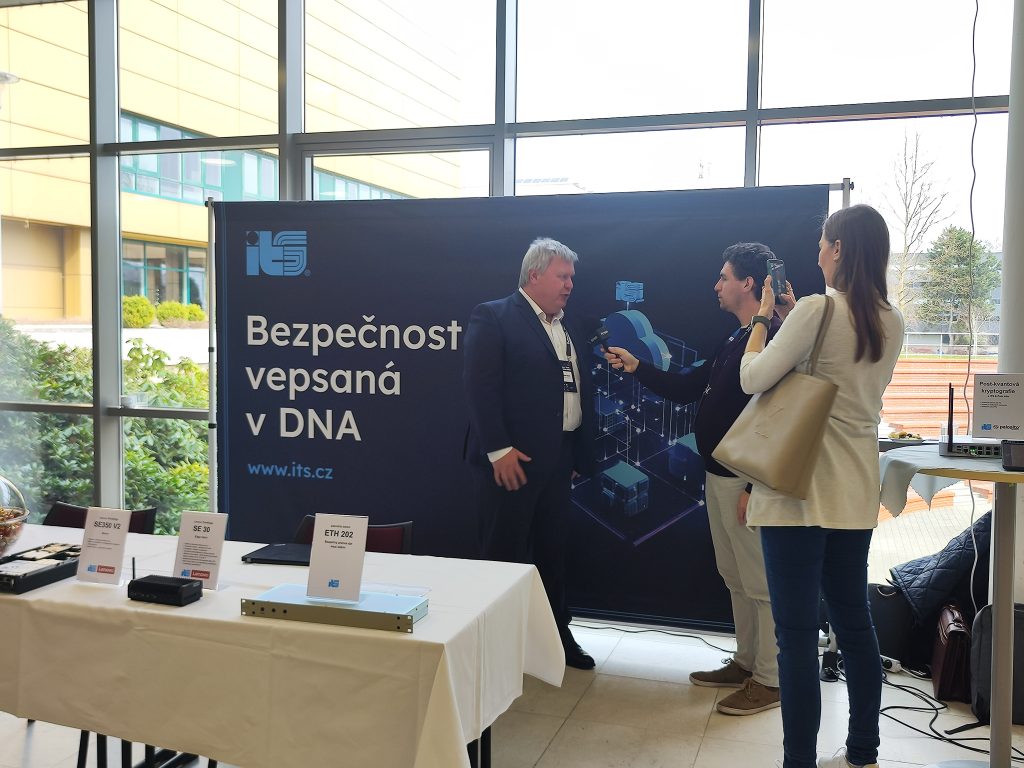
Thank you for the opportunity to serve as the conference’s general partner and, among other things, to present our post-quantum security solutions, which attendees were able to discuss with our specialists on-site. If you’re interested in the solutions we offer for both IT andOT, please don’t hesitate to contact us.
Watch the report from the conference on the Studio ČT 24program (at 4:49 p.m.).
What else to read
See more news from the world of IT and ITS